
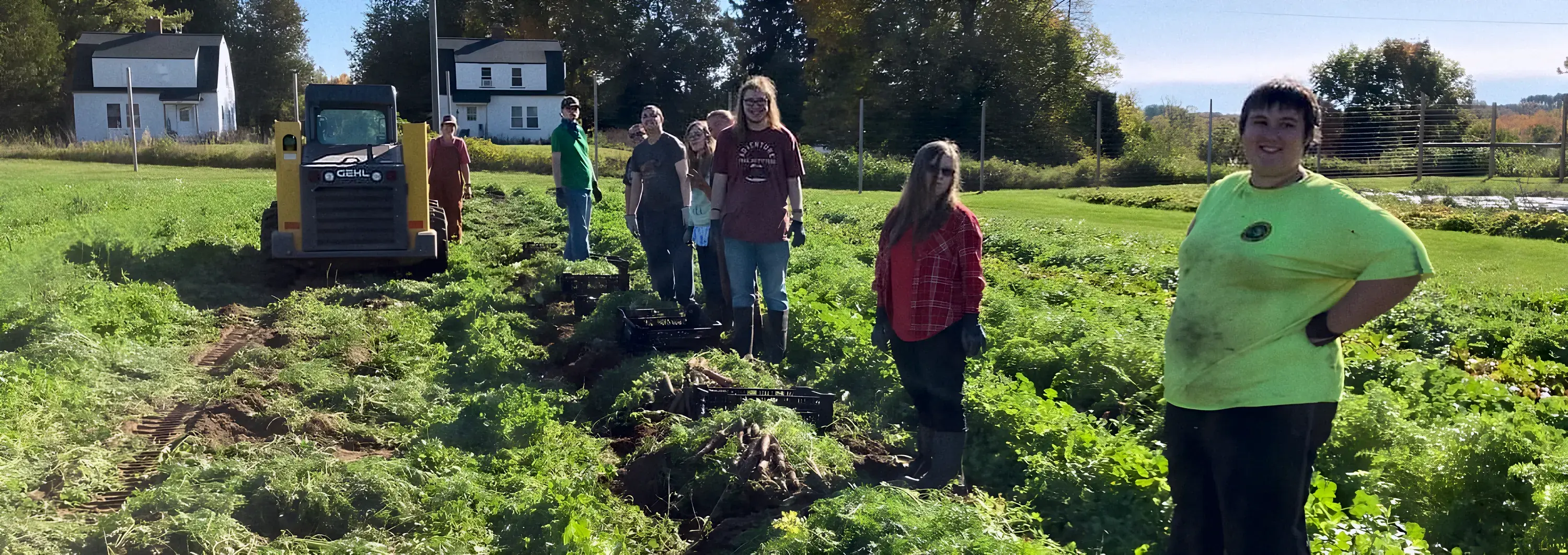
Every bite and every move matters for a child's development. Nutrition and physical activity aren't just about physical growth; they're the building blocks for a child's cognitive, emotional, and social well-being. Yet, many children lack access to healthy food choices and opportunities for regular physical activity.
This is where the Marquette-Alger RESA school-based nutrition education comes in. By integrating engaging and age-appropriate lessons on healthy eating and active lifestyles into the classroom, we empower children to make informed choices that impact their present and future health.
Physical Education and Nutrition in the Upper Peninsula (PE-Nut UP)
Physical Education & Nutrition in the Upper Peninsula (PE-Nut UP) is a nutrition and physical education program that uses a whole-school approach to motivate students, parents, and educators to be physically active and eat healthier.
PE-Nut is designed to improve health behaviors in a school and its surrounding community by presenting simple, consistent nutrition and physical activity messages and resources. The Marquette-Alger RESA currently offers the PE-Nut UP program in 15 schools across 5 central UP counties.

Family Nutrition Education Resources
Farmers Market Food Navigator
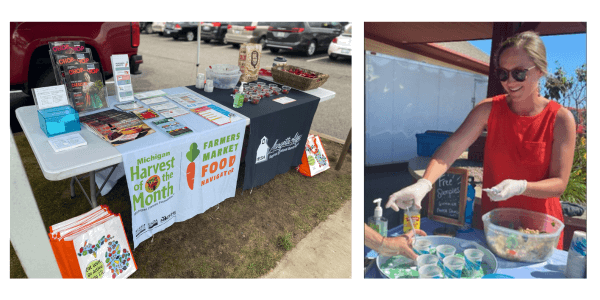
The Food Navigator program is offered at farmers' markets that accept food assistance benefits. The Food Navigator helps shoppers maximize their food dollars to plan healthy, affordable meals. This program offers free nutrition resources, recipe demonstrations & tastings, and community outreach.
Marquette-Alger RESA has offered the Food Navigator program at the Downtown Marquette Farmers Market since 2020.
Locally Integrated Food Teams in the Upper Peninsula (LIFT UP)
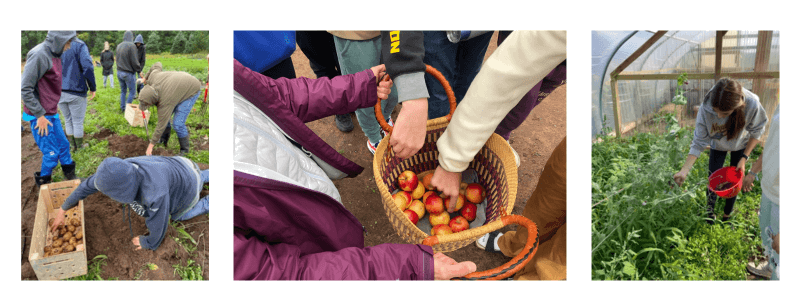
LIFT-UP is a land-based learning project that offers students an opportunity to work with their classmates, local farmers and school lunch staff to answer questions about their school food landscape. Through this project, each participating class proposes ideas about how they might serve more local food in the lunchroom and a mini-grant to spend toward a proposed intervention of choice.
LIFT-UP is a project-based curriculum that teachers work through with the support of MSU UP Research & Extension Center (UPREC) and Marquette-Alger RESA staff during the fall semester. The project has students work toward answering the question: "What would it take to get more local food into the school lunchroom?”
After walking through the curriculum, students receive mini-grant funding to implement their proposed intervention during the second half of the school year. Students then have an opportunity to learn about careers in the food system and share their projects at a Celebration of Student Work day in the spring.
The Farm to School Institute professional development held in June 2024 has concluded. For information about future land-based learning and farm-to-school opportunities for teachers, food service directors, and community partners, please use the contacts below.
For more information, please contact:
-
Haley Brasier, Marquette-Alger RESA – hbrasier@maresa.org
-
Abbey Palmer, MSU UP Research & Extension Center- palmerab@msu.edu
Supplemental Nutrition Assistance Program Education (SNAP-Ed)
SNAP-Ed teaches people to shop for and cook healthy meals, helps people learn how to make their SNAP dollars stretch and works with partners to make the healthy choice the easy choice.
How SNAP Works
If your household has applied for SNAP benefits and meets certain requirements to be eligible for SNAP benefits, you are given an Electronic Benefit Transfer (EBT) card. This card is used like a debit card to buy food at the grocery store or farmers market. SNAP puts benefits on this card once a month.
With this card you are able to purchase the following:
Foods for the household to eat, such as:
-
Fruits and vegetables
-
Breads and cereals
-
Meats, fish, and poultry
-
Dairy products
-
Seeds and plants which produce food for the household to eat
Items that households CANNOT use SNAP benefits to buy include:
-
Beer, wine, or liquor
-
Cigarettes or tobacco
-
Pet foods
-
Soaps
-
Paper products
-
Household supplies
-
Vitamins and medicines
SNAP Information
-
For more information regarding SNAP benefits and eligibility, please visit Supplemental Nutrition Assistance Program
-
To apply for Snap Benefits/Food Assistance in Michigan, please visit Michigan SNAP Application
-
For more information, tips, and ideas on how to maximize your food dollars, please visit EAT WELL IN A SNAP
-
Find an EBT store or market nearest to you: SNAP Retail Locator
Double UP Food Bucks
“Fair Food Network’s Double Up Food Bucks program doubles the value of federal nutrition (SNAP or food stamps) benefits spent at participating markets and grocery stores, helping people bring home more healthy fruits and vegetables while supporting local farmers. The wins are three-fold: low-income consumers eat more healthy food, local farmers gain new customers and make more money, and more food dollars stay in the local economy." – Double Up Food Bucks
How Double Up Works
Using your bridge card, buy $1 fresh fruits & veggies and get $1 FREE Double Up Food Bucks for any fruits and veggies, up to $20 per day.
Visit the Double Up website to learn more.